
Case Study: UK Aviation Ambassadors
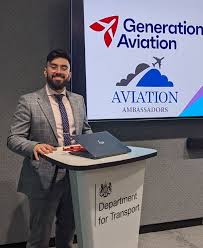
The UK’s Department for Transport (DfT) has volunteer Aviation Ambassadors, part of the Generation Aviation program, to raise the profile of aviation, inspire the next generation of professionals, and promote diverse career pathways in the industry.
Purpose of the program / objectives
- Raise the profile of aviation: The ambassadors help to showcase the aviation industry and its opportunities.
- Inspire the next generation: They aim to encourage young people to consider careers in aviation.
- Promote diverse career pathways: The program seeks to attract individuals from all backgrounds to the aviation sector.
- Build a skilled, diverse, and sustainable aviation workforce: The program aims to help the UK aviation sector be ready for the future.
- Develop enhanced outreach activities: The ambassadors help develop and deliver outreach programs to engage with young people and the wider community.
- Provide policy support: The ambassadors use their expertise in their area to provide advice to the Department for Transport.
- Engage industry: They engage with key industry stakeholders on the issues they care about to build relationships on behalf of Department.

Intended audience
- Young people who may be interested in a career in aviation, from diverse backgrounds.
- Aviation industry who wishes to utilise the ambassador programme for their own outreach or use their specialist knowledge in areas of development.
Implementation
DfT runs a competitive selection process every 2 years where prospective ambassadors apply to be part of the next cohort of volunteer aviation ambassadors. The DfT try to ensure representation from throughout the aviation industry who can champion aviation careers and reach out to young people.
Ambassadors serve as mentors and advocates, attending schools, mentoring events and workshops to showcase their experience and encourage young people to use their skills in aviation. As well as delivering their own bespoke outreach activities to underrepresented groups, the ambassadors also offer advice on where pathways into aviation can be created or improved – making it easier for young people to join the sector. Ambassadors also engage the industry on matters relating to their area of expertise, such as green skills, or advise the Department regarding specifics, such as helping to examine apprenticeship standards.
- Acting as role models: The ambassadors serve as role models for prospective aviation workers.
- Championing the sector: They advocate for the aviation industry and its importance.
- Delivering outreach activities: They participate in outreach events and activities to raise awareness of aviation careers.
- Developing and promoting career pathways: They help to identify and promote new and improved career pathways within the aviation sector.
The program is low cost and just requires a small budget to cover ambassador’s expenses and resource to coordinate the program.
Impacts / Outcomes
The Generation Aviation program conducts an industry survey on the impact of the various elements of the Department’s Aviation Skills program. The Aviation Ambassador program was assessed as the most well-known and “most effective” in the 2024 survey.
When asked about how effective elements of the programme are in achieving their aims in, Aviation Ambassadors (69%) had the highest proportion of very or moderately effective responses.
The ambassadors are asked to provide feedback forms after each engagement that highlights various metrics, such as how many people have been reached by a specific outreach event.
The level of assessment depends on the ambassadors. One challenge with this method is recording social media reach or work that is not outreach. Due to safeguarding restrictions, this type of information is difficult to access.
The ambassadors attend quarterly boards every three months where the Department celebrates their achievements over the three months and provides an opportunity for the ambassadors to feedback to the Department.
Lessons learned
The Department has found that the size of the ambassadors’ program works well, with ten volunteers for each cohort providing a breadth of knowledge and areas of expertise but also being manageable for the Department to keep oversight. We’ve also found that having a broad age range and a diverse cohort in terms of gender and ethnicity is valuable when delivering outreach. You cannot be what you cannot see, so it’s important for young people to see role models who look and sound like them.
However, the initial program ran every 12 months, which, upon reflection was deemed too short. A year did not provide new ambassadors time to get comfortable in the role and establish the necessary relationships to deliver the program. It also proved resource-intensive for the Department, as those managing the program had to source events for the ambassadors and make the necessary introductions.
The Department has also learnt to give the ambassadors clear and tailored objectives so they understand their roles and responsibilities. These are reviewed at the quarterly updates with the ambassadors and can ensure work stays on track. The Department also provides a list of achievements for the ambassadors while they are on the programme.
For future cohorts, the Department will aim to promote the Ambassador program within the industry to ensure more expansive engagement. The ambassadors have recommended establishing an introductory virtual ‘open day’ for the next cohort, during which they will present their area of expertise and how they can help.
Further feedback from the ambassadors outlines a need for improved branding and identity. One example is when ambassadors go to outreach events, they have little to promote. Investment would be required in branding to build an identity, such as t-shirts, lanyards, or merchandise to be shared.
For further information https://www.gov.uk/government/groups/aviation-ambassadors-group
Contact
aviationambassadors@dft.gov.uk
Download this resource